
What is a Bio District?
A bio-district is where organic farmers, the public, tourist operators, associations, and public authorities - within a defined geographical area - enter into an agreement for the sustainable management of local resources. No small feat!
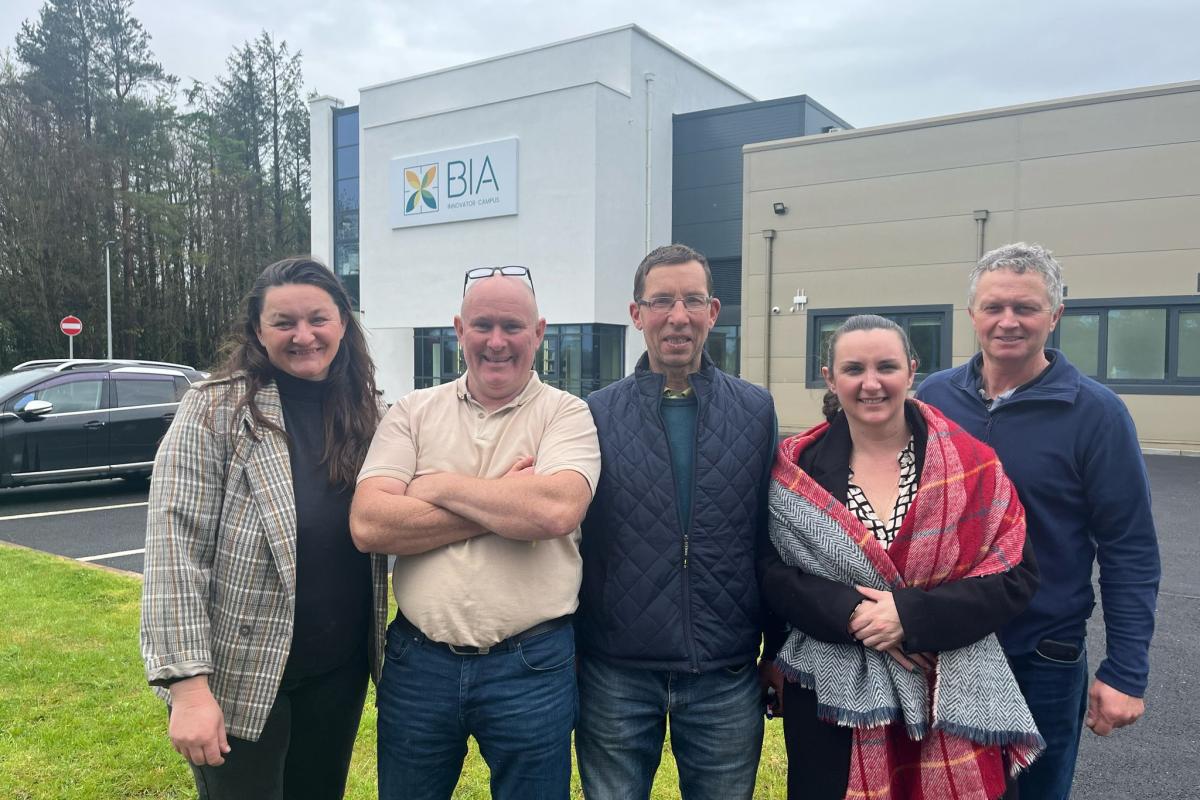
The official definition of an organic district can be a lot to take in at first
''...territories where farmers, citizens, public authorities and other local actors realize a formal agreement aimed at the sustainable management of local resources, based on the principles and model of organic farming and on the agroecological best practices, in order to boost the economic and socio-cultural development of their community.''
It’s a comprehensive definition, and admittedly, it can be difficult to grasp all the moving parts.
To break this down in a manageable way we will look at each term.
Firstly a 'territory', or district, is a defined and boundaried geographical area. This could be a village, town, county or province, or a mixture of each, all dependant on what makes 'sense' to the region. Importantly it is within human-defined boundaries as opposed to geological or ecological regions.
For our project, we have defined the pilot district as Limerick, Tipperary and Clare, and included Galway, to create a region that includes
- a wide variety of organic producers and sellers
- top universities
- Irelands second and third largest cities.
Farmers, Citizens, Public Authorites, and other local actors such as local development companies, universities, and certification bodies all make up the individual actors in the food system to varying degrees of influence.
The interesting and perhaps key part of this definition for our project is that these actors within a region will come together to form a 'formal agreement' aimed at 'sustainable management of local resources. Much more on this later!
The non-negotiable in the definition is the term organic, in the case of a bio-district, this means certifiably organic according to EU legislation. We use the term 'bio' to signify organic, but many areas are also called simply organic districts. The use of the term agro-ecological allows for application of the bio-district principals to other important factors in the food system.
The first two Organic Districts were developed in Europe at the beginning of the 2000s in Italy - Cilento Bio-District - and in France - BioVallèe. There are currently over 300 globally now, in 2026.
Each bio-district will have a focus of unique importance and relevance to their region and all are to be acknowledged by the International Network of Eco Regions. You can find a wealth of information there, including how to go about setting up your own bio-district.
Throughout this site we will expand on what this all means in an Irish context. We will later make recommendations on other potential districts using the NUTS regional groupings.
We are grateful to DAFM short food supply chain funding which has enabled our project. You can see the funding webinar here for more information.
The heart of a bio-district is getting more of the organic food and drink produced within the district consumed locally.
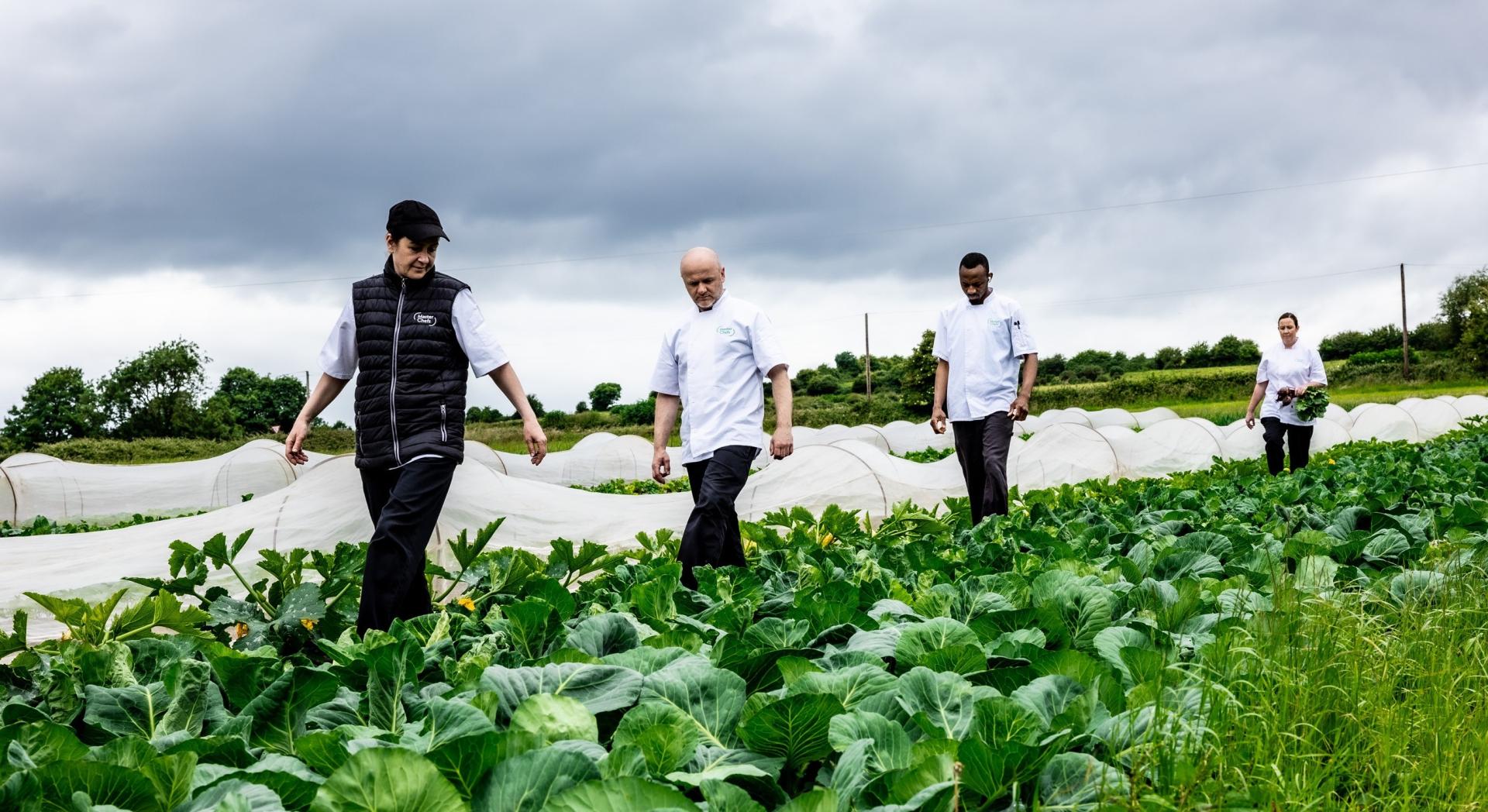
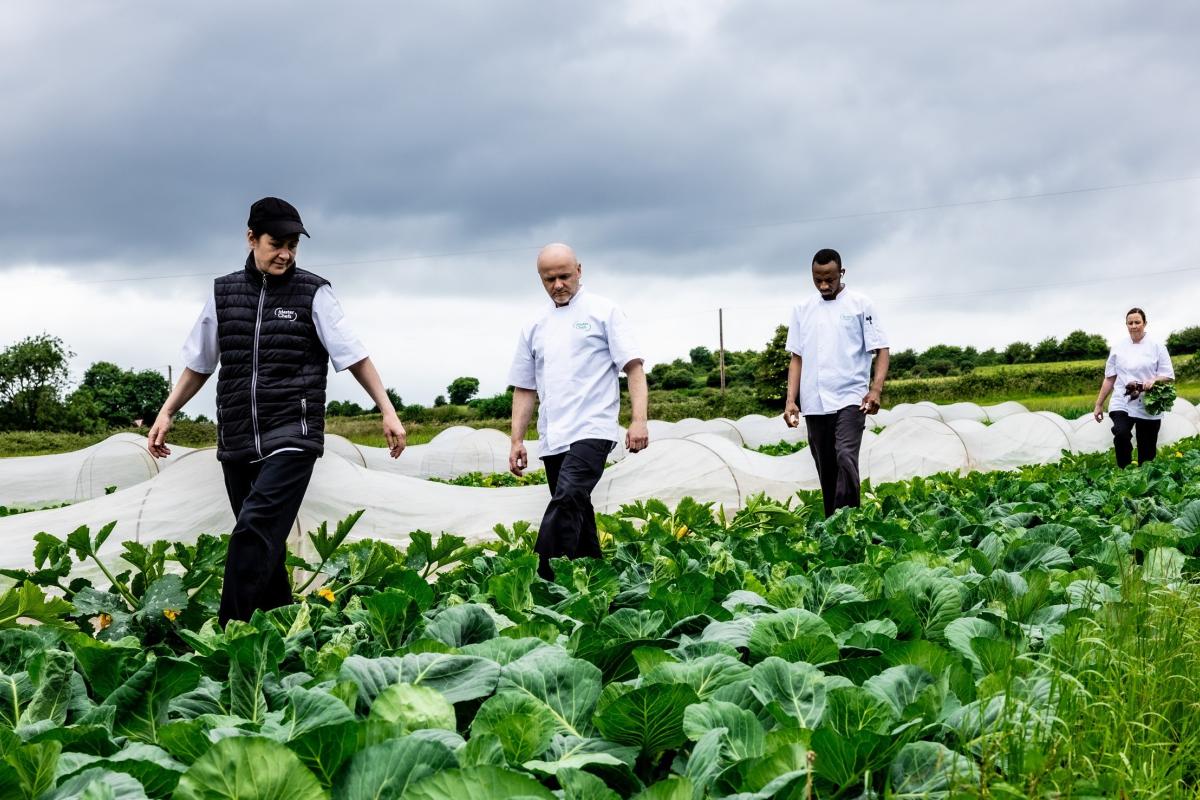
Master Chef's farming organically for large scale catering
Organic farm tourism represents a growing niche that allows travelers to engage directly with agricultural practices and environments.
10% by value of food sought by public sector bodies under new contract arrangements is to be certified organic.
Irish food cooperatives are member-owned businesses that put community and democratic values ahead of profits.
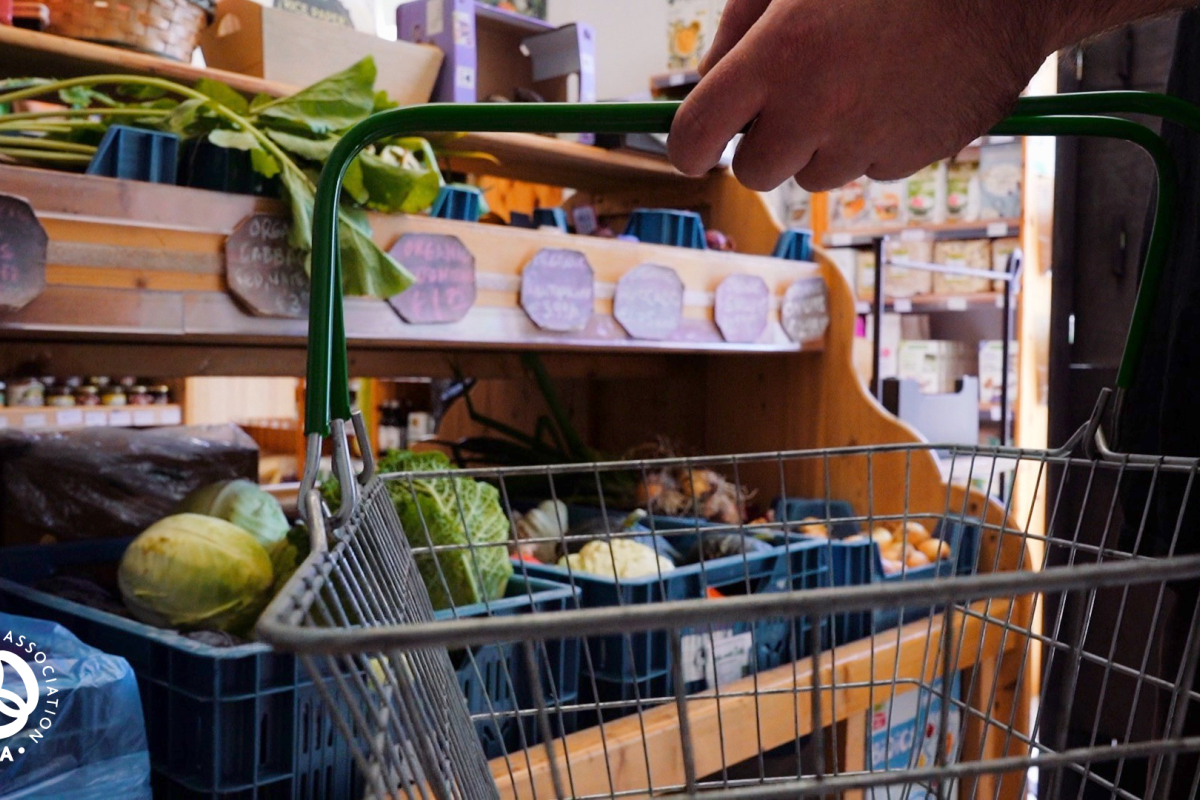
A bio-district is an initiative where actors enter into an agreement for the sustainable management of local resources, based on organic principles